The jagged, throbbing agony of a toothache is a universal human experience, a visceral signal that something is deeply wrong. In moments of intense pain, the desire for immediate and permanent relief is overwhelming. This often leads to desperate searches for quick fixes, and the phrase “kill tooth pain nerve in 3 seconds permanently” echoes across online forums and search queries. But is such a rapid, definitive solution truly possible in 2026? The reality, as with most things in medicine and dentistry, is far more nuanced.
While the idea of instantly vanquishing a toothache nerve sounds like a dream, it’s crucial to understand the underlying biology and the limitations of current dental practices. Tooth pain, especially when it feels like it’s emanating from the nerve, is a complex symptom that usually indicates significant damage or inflammation within the tooth’s pulp – the innermost part containing nerves, blood vessels, and connective tissue. The American Dental Association emphasizes that persistent or severe tooth pain is not something to be ignored, as it often signals an underlying issue requiring professional intervention.
The concept of “killing” a nerve in just three seconds is largely a myth born from a desire for instant gratification. Dental professionals aim to treat the cause of the nerve pain, which can involve a series of steps and procedures that, while effective, are not instantaneous. Attempts to self-treat or find a magical cure for severe tooth pain can be not only ineffective but also dangerous, potentially leading to more serious infections or complications.
Understanding Tooth Pain and the Dental Pulp
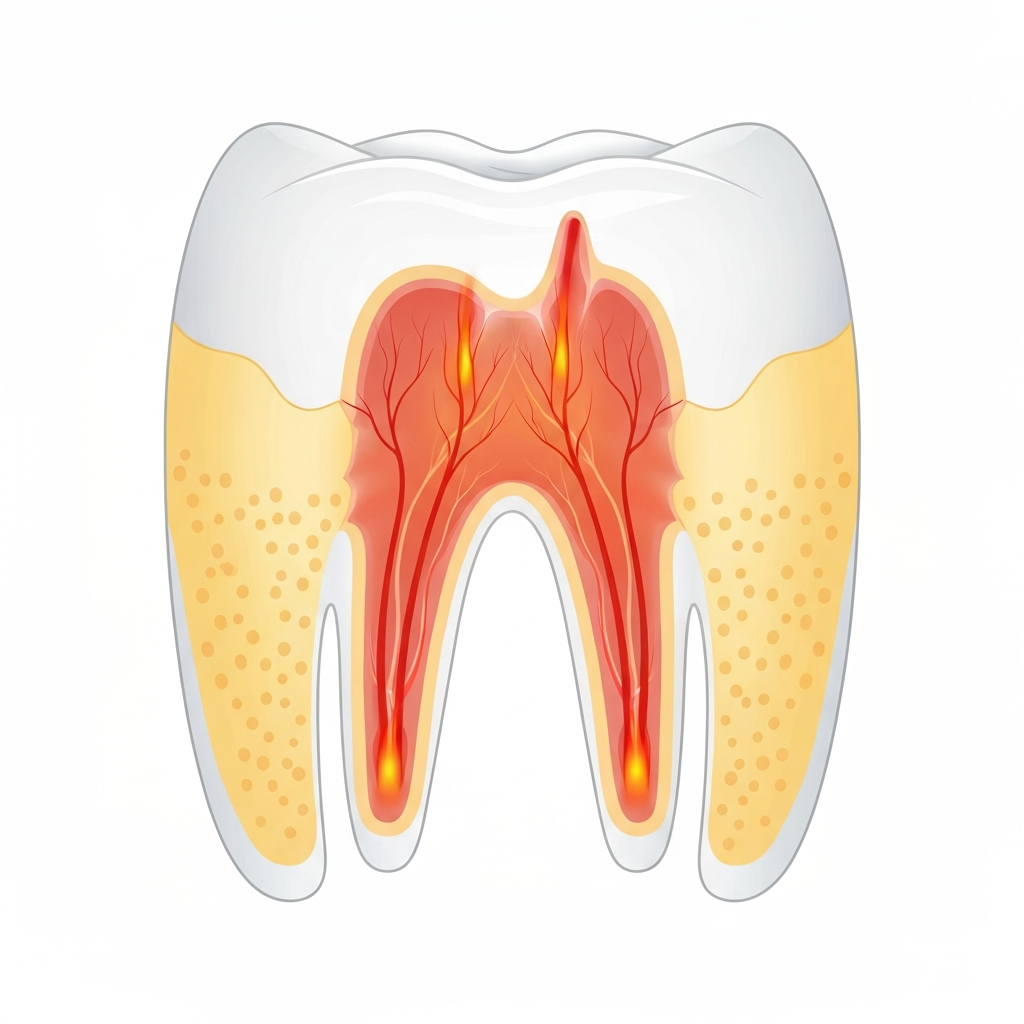
To debunk the myth of “killing tooth pain nerve in 3 seconds permanently,” we first need to understand what causes tooth pain and the role of the dental pulp. A tooth is comprised of several layers: the enamel (the hard outer layer), the dentin (beneath the enamel), and the pulp (the innermost chamber). The pulp is where the nerves and blood vessels reside, and it’s vital for the tooth’s health and sensitivity.
When the enamel or dentin is compromised by decay, cracks, or trauma, bacteria can invade the pulp. This invasion leads to inflammation and infection, a condition known as pulpitis. Pulpitis can be reversible in its early stages, meaning the inflammation might subside with treatment. However, if left untreated, it can progress to irreversible pulpitis, where the pulp is severely damaged and will eventually die. This is when the intense, persistent nerve pain typically occurs.
The nerves within the pulp are highly sensitive. When they become inflamed or infected, they send strong pain signals to the brain. These signals can manifest as sharp, throbbing, or constant pain, often exacerbated by hot or cold temperatures, pressure, or even spontaneously.
Why “Killing the Nerve in 3 Seconds” is a Misconception
The idea of a rapid, permanent solution often arises from a misunderstanding of how dental treatments work and the biological processes involved in nerve damage and pain.
1. The Complexity of Nerve Damage
Nerve pain in a tooth isn’t a simple switch to be flipped off. It’s a symptom of underlying pathology. To eliminate the pain permanently, the cause of the nerve irritation or damage must be addressed. This typically involves removing the source of infection or inflammation, which is rarely an instantaneous process.
2. The Role of Dental Professionals
Dentists are trained to diagnose the cause of tooth pain and implement appropriate treatments. These treatments are designed to preserve the tooth’s health and function, not just to numb a nerve temporarily. Procedures like root canal therapy aim to remove the infected or inflamed pulp, thereby eliminating the source of the pain permanently. However, a root canal is a multi-step procedure that can take one or more appointments. It involves cleaning, shaping, and filling the root canals, which takes time and precision.
3. Temporary vs. Permanent Relief
Many over-the-counter remedies and home care tips offer temporary relief. These might include pain relievers, cold compresses, or certain natural remedies. While they can provide some respite, they do not address the root cause of the problem. They might mask the pain for a short period, giving the false impression of a cure, but the underlying issue continues to progress.
Effective Dental Treatments for Severe Tooth Pain in 2026
While “killing the nerve in 3 seconds” is not feasible, modern dentistry offers highly effective treatments for severe tooth pain that lead to permanent relief. These treatments focus on addressing the underlying cause and restoring the tooth’s health.
Root Canal Therapy (Endodontic Treatment)
This is the gold standard for treating irreversible pulpitis and severely infected or damaged pulp. The procedure involves:
- Diagnosis: A dentist will examine the tooth, take X-rays, and perform tests to confirm the diagnosis.
- Anesthesia: The area is numbed thoroughly to ensure the patient is comfortable.
- Access: The dentist makes a small opening in the tooth to access the pulp chamber.
- Cleaning and Shaping: The infected or damaged pulp tissue is carefully removed from the pulp chamber and root canals using specialized instruments. The canals are then cleaned, disinfected, and shaped.
- Filling: The cleaned canals are filled with a biocompatible material called gutta-percha, and the opening is sealed.
- Restoration: A temporary or permanent filling is placed, and often, a dental crown is recommended to protect the treated tooth, as it can become more brittle after a root canal.
Root canal therapy effectively removes the source of the nerve pain and saves the natural tooth. While it’s not a 3-second fix, it provides permanent relief and allows the tooth to remain in the mouth. According to the American Association of Endodontists, root canal treatment has a high success rate, with many treated teeth lasting a lifetime.
Tooth Extraction
In cases where a tooth is too severely damaged to be saved by a root canal, or if the infection has spread extensively, extraction may be the only option. This is a surgical procedure to remove the entire tooth. While it permanently removes the source of pain, it also results in the loss of the natural tooth. This can lead to other issues like shifting of adjacent teeth, changes in bite, and bone loss, often necessitating further treatments like bridges, dentures, or dental implants.
Other Treatments for Pulpitis
- Pulp Capping: In cases of reversible pulpitis where the pulp is exposed due to minor decay or trauma, a dentist might perform pulp capping. A medicated material is placed directly or indirectly over the exposed pulp to encourage healing and prevent further infection.
- Crown Lengthening: If a cavity or fracture extends below the gum line, a minor surgical procedure called crown lengthening might be needed to expose more of the tooth structure, allowing for proper restoration.
Why Home Remedies and “Quick Fixes” Fall Short
The allure of “killing tooth pain nerve in 3 seconds permanently” often stems from the widespread availability of anecdotal advice and home remedies. While some may offer temporary comfort, they are not cures.
- Pain Relievers: Over-the-counter pain medications like ibuprofen or acetaminophen can reduce inflammation and numb pain signals. However, they only mask the symptoms and do not address the underlying cause. Relying solely on these can lead to delayed treatment and worsening of the condition.
- Saltwater Rinses: Warm salt water can help clean the area around an infected tooth, reduce inflammation, and draw out some pus. It’s a soothing measure but not a treatment for the infection itself.
- Clove Oil: Clove oil contains eugenol, a natural anesthetic and antiseptic. Applying a small amount to a cotton swab and placing it on the affected tooth can provide temporary numbing. However, it’s a palliative measure and won’t cure an infection or repair damage.
- Cold Compresses: Applying a cold compress to the outside of the cheek can help reduce swelling and numb the area. This offers temporary relief but doesn’t treat the internal problem.
These methods are akin to putting a bandage on a deep wound; they might cover the surface, but the underlying issue remains untreated and can fester.
The Dangers of Ignoring Severe Tooth Pain
The pursuit of a quick, permanent fix at home can be detrimental. Ignoring severe tooth pain or delaying professional dental care can lead to several serious complications:
- Spread of Infection: An untreated infection in the pulp can spread to the jawbone, surrounding tissues, and even enter the bloodstream. This can lead to serious conditions like osteomyelitis (bone infection) or a dental abscess, which can be life-threatening if it spreads to the brain or heart. The Centers for Disease Control and Prevention (CDC) highlights the importance of oral health in overall well-being, noting that oral infections can have systemic effects.
- Tooth Loss: If the infection is left unchecked, the tooth may become unsalvageable, leading to its necessary extraction.
- Chronic Pain: In some cases, nerve damage from prolonged inflammation can lead to chronic pain conditions even after the initial infection is treated.
- Facial Swelling and Abscesses: Severe infections can cause significant swelling in the face, neck, and jaw, potentially obstructing airways. A dental abscess can form, a pus-filled sac that requires immediate medical attention.
Seeking Professional Dental Care: The Only Path to Permanent Relief
The most reliable and permanent way to address severe tooth pain, especially pain that feels like it’s originating from the nerve, is to seek professional dental care. Dentists have the tools, knowledge, and techniques to diagnose the problem accurately and provide effective treatment.
What to Expect When You See a Dentist for Tooth Pain
- Medical History and Symptom Review: The dentist will ask about your pain, its duration, triggers, and any other symptoms you’re experiencing. They will also review your general medical history.
- Oral Examination: The dentist will visually inspect your teeth and gums, looking for signs of decay, cracks, swelling, or other abnormalities.
- Diagnostic Tests: This often includes dental X-rays to assess the condition of the tooth’s roots and surrounding bone. They may also perform percussion tests (tapping the tooth) or thermal tests (applying hot or cold stimuli) to gauge the pulp’s vitality and sensitivity.
- Diagnosis and Treatment Plan: Based on the examination and tests, the dentist will determine the cause of the pain (e.g., deep decay, cracked tooth, pulpitis, abscess) and discuss the recommended treatment options.
- Treatment: This could range from a simple filling to a root canal or extraction, depending on the severity of the problem.
Preventive Measures to Avoid Future Tooth Pain
While we’ve established that “killing tooth pain nerve in 3 seconds permanently” is not a realistic goal, preventing tooth pain in the first place is entirely achievable. Maintaining good oral hygiene is paramount.
- Regular Brushing and Flossing: Brush your teeth at least twice a day with fluoride toothpaste and floss daily to remove plaque and food particles.
- Dietary Choices: Limit your intake of sugary and acidic foods and drinks, which contribute to tooth decay.
- Regular Dental Check-ups: Visit your dentist for regular check-ups and professional cleanings, typically every six months. This allows for early detection and treatment of potential problems before they cause significant pain. The World Health Organization (WHO) emphasizes the importance of regular dental check-ups for preventing oral diseases.
- Mouthguards: If you participate in sports, wear a mouthguard to protect your teeth from injury. If you grind your teeth (bruxism), a nightguard can prevent damage.
Debunking Myths and Managing Expectations
The persistent search for an instant cure highlights a common human tendency to seek simple solutions for complex problems, especially when experiencing severe pain. However, in the realm of dental health, understanding the biological processes and trusting professional medical advice is crucial.
The notion of permanently eliminating a tooth nerve’s pain in a mere three seconds is a compelling fantasy, but it’s not grounded in the scientific realities of dentistry in 2026. Pain is a signal from your body, and when it’s as intense as that of a toothache, it’s a signal that demands attention, not a quick, superficial fix.
Instead of chasing impossible shortcuts, focus on understanding the cause of your pain and seeking the appropriate professional help. Modern dental treatments, while not instantaneous, are remarkably effective at alleviating pain and preserving your natural teeth for the long term. By working with your dentist and prioritizing preventive care, you can avoid the agony of severe toothaches and maintain a healthy smile for years to come.
Frequently Asked Questions
Can I numb a tooth nerve at home instantly?
No, you cannot instantly and permanently numb a tooth nerve at home. While some home remedies like clove oil might offer temporary numbing effects, they do not address the underlying cause of the pain. Severe tooth pain usually indicates a significant issue that requires professional dental treatment for permanent resolution. Trying to “kill” the nerve yourself can be dangerous and lead to complications.
What is the fastest way to relieve severe tooth pain?
The fastest way to get significant relief from severe tooth pain is to visit a dentist immediately. They can diagnose the cause and provide appropriate treatment, which might involve pain medication, drainage of an abscess, or starting a root canal procedure. For temporary, immediate relief before seeing a dentist, over-the-counter pain relievers like ibuprofen or acetaminophen, or a cold compress applied to the cheek, can help reduce swelling and numb the pain temporarily.
Is a root canal painful?
Modern root canal procedures are performed under local anesthesia, making them generally no more painful than getting a filling. While the idea of a root canal might sound intimidating, dentists use advanced techniques and anesthetics to ensure patient comfort. Some mild discomfort or sensitivity might occur in the days following the procedure, but this is typically manageable with over-the-counter pain medication.
How can I tell if my tooth pain is from the nerve?
Tooth pain that originates from the nerve (the pulp) is often characterized by its intensity and persistence. It can feel like a sharp, throbbing, or aching pain that may worsen with hot or cold stimuli, pressure when biting, or even occur spontaneously without any apparent trigger. If you experience severe, persistent pain, especially if it’s accompanied by swelling, fever, or sensitivity that lingers long after a stimulus is removed, it’s highly likely that the nerve is involved and requires professional attention.
What happens if I ignore a toothache?
Ignoring a toothache can lead to serious consequences. The underlying infection can spread to the jawbone, surrounding tissues, and even enter the bloodstream, leading to systemic health problems. It can also result in the formation of a dental abscess, significant swelling, and ultimately, the loss of the tooth. Delaying treatment often makes the eventual treatment more complex and costly.
Are there permanent home remedies for tooth nerve pain?
No, there are no permanent home remedies for tooth nerve pain. Home remedies can offer temporary symptom relief, but they do not cure the underlying dental problem that is causing the nerve pain. Permanent relief comes from addressing the root cause, which typically involves professional dental treatment such as a root canal or extraction, performed by a qualified dentist.
Conclusion
The quest to “kill tooth pain nerve in 3 seconds permanently” is a testament to the intense suffering that toothaches can inflict. However, in 2026, this desire for an instant, magical cure remains in the realm of fantasy. The reality of dental health is that severe tooth pain is a symptom of a deeper issue, often involving infection or inflammation of the dental pulp.
Effective, permanent relief from tooth nerve pain is achieved through professional dental treatments like root canal therapy or, in some cases, tooth extraction. These procedures, while not instantaneous, are designed to address the root cause of the pain, eliminate infection, and preserve the health and function of your mouth. Relying on home remedies or delaying professional care can not only prolong your suffering but also lead to more severe health complications.
The best approach to managing tooth pain is to prioritize preventive dental care – regular brushing, flossing, a healthy diet, and consistent dental check-ups. When pain does strike, seeking prompt professional dental advice is the most effective and safest path to lasting relief and the preservation of your oral health.
Read more: Approaches That Help You Stay Prepared For Uncertain Situations